
5 Common Mowing Mistakes - And How to Fix Them
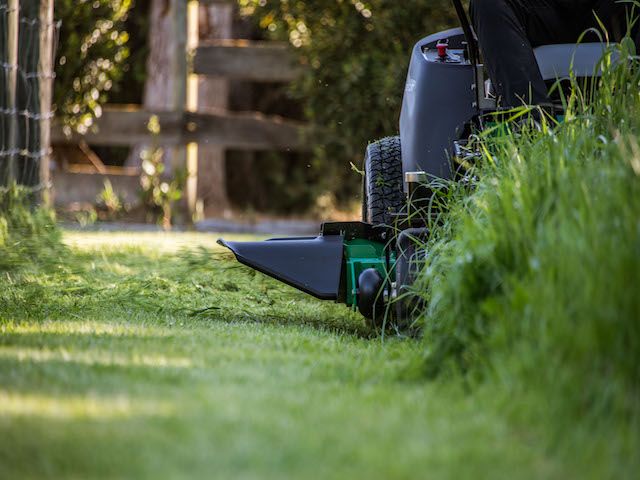

A good lawn requires more than just a quick mow. A few simple mistakes can make the difference between a healthy lawn and one that struggles. Getting the basics right can save you a lot of time and effort in the long run.
Here are five common mowing mistakes and how to fix them.
1. Cutting It Too Short
Some people think a short cut means less mowing. It doesn't. Cutting the grass too short stresses the plant, forcing it to use up stored energy to regrow its blades. This weakens the root system and can leave the lawn looking thin and brown. It also removes the protective shade the grass provides for the soil, allowing weeds to germinate more easily.
- The Fix: Stick to the one-third rule. Never cut more than one-third of the grass blade off in a single mow. This keeps the plant healthy and promotes strong roots. For most New Zealand lawns, setting your mower deck to between 50mm and 75mm (2-3") is a good height. If the grass has gotten too long, you might need to do two separate mows a few days apart to bring it back to a manageable height without shocking it.
2. Using Dull Blades
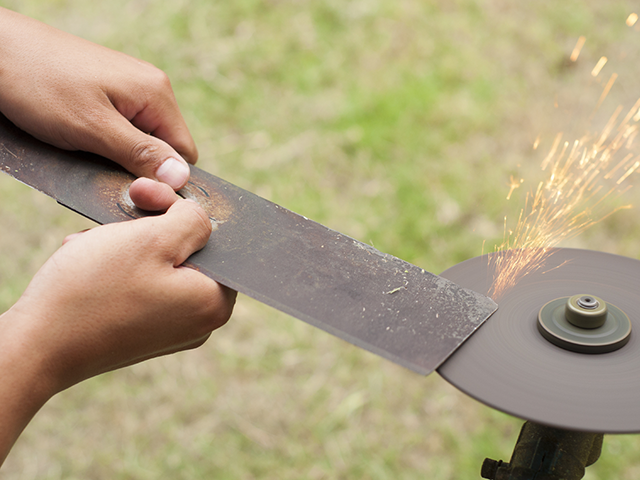

A sharp blade gives a clean cut. A dull blade tears the grass, leaving frayed ends that look ragged and brown a day or two after mowing. This damage makes the lawn more susceptible to disease and requires the plant to use more energy to heal. A dull blade also puts more strain on your mower's engine, making it work harder and use more fuel.
- The Fix: Sharpen your mower blades regularly. If you hit a rock or a hard object, you should stop and check it immediately. At the start of the season, it’s a good idea to have the blade professionally sharpened or replaced. Sharp blades means a cleaner, more efficient cut and a healthier looking lawn.
3. Mowing a Wet Lawn
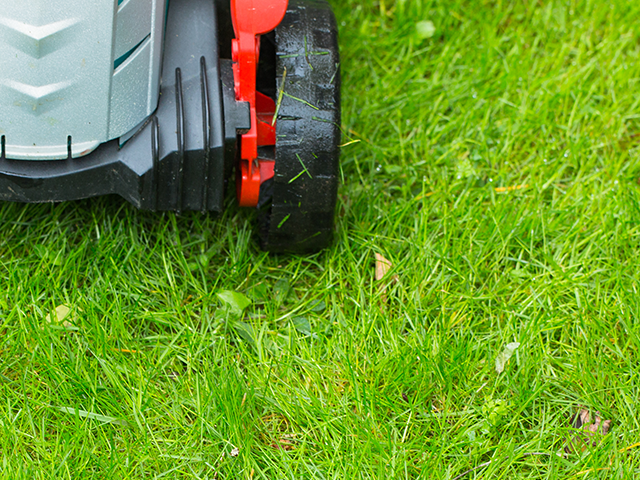

Mowing a wet lawn is a bad idea. The grass blades get stuck to the mower deck, which clogs the machine and gives a messy, uneven cut. The clippings also clump together and can fall in heavy piles on the lawn, suffocating the grass underneath. Mowing on wet ground can also compact the soil and create ruts.
- The Fix: Wait for the lawn to dry out. The best time to mow is in the middle of a sunny day after the dew has gone and the lawn has had time to dry. This ensures a clean cut and prevents clumping. If you must mow when it’s a bit damp, make sure your mower deck is clean and don’t take too much off at once.
4. Mowing in the Same Direction
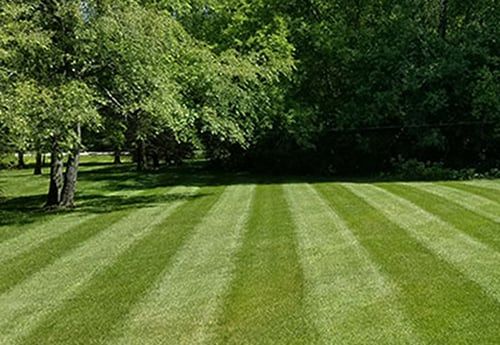

Mowing the same pattern every time causes the grass to lean in one direction. Over time, it can also lead to soil compaction and ruts in the lawn from your mower wheels. This results in a less uniform cut and a lawn that looks flat instead of lush and upright.
- The Fix: Vary your mowing pattern. Mow north-south one week and east-west the next. If you have a different pattern, switch it up each time you mow. Alternating directions helps the grass stand upright and ensures an even, consistent cut across the entire lawn.
5. Not Dealing with Clippings
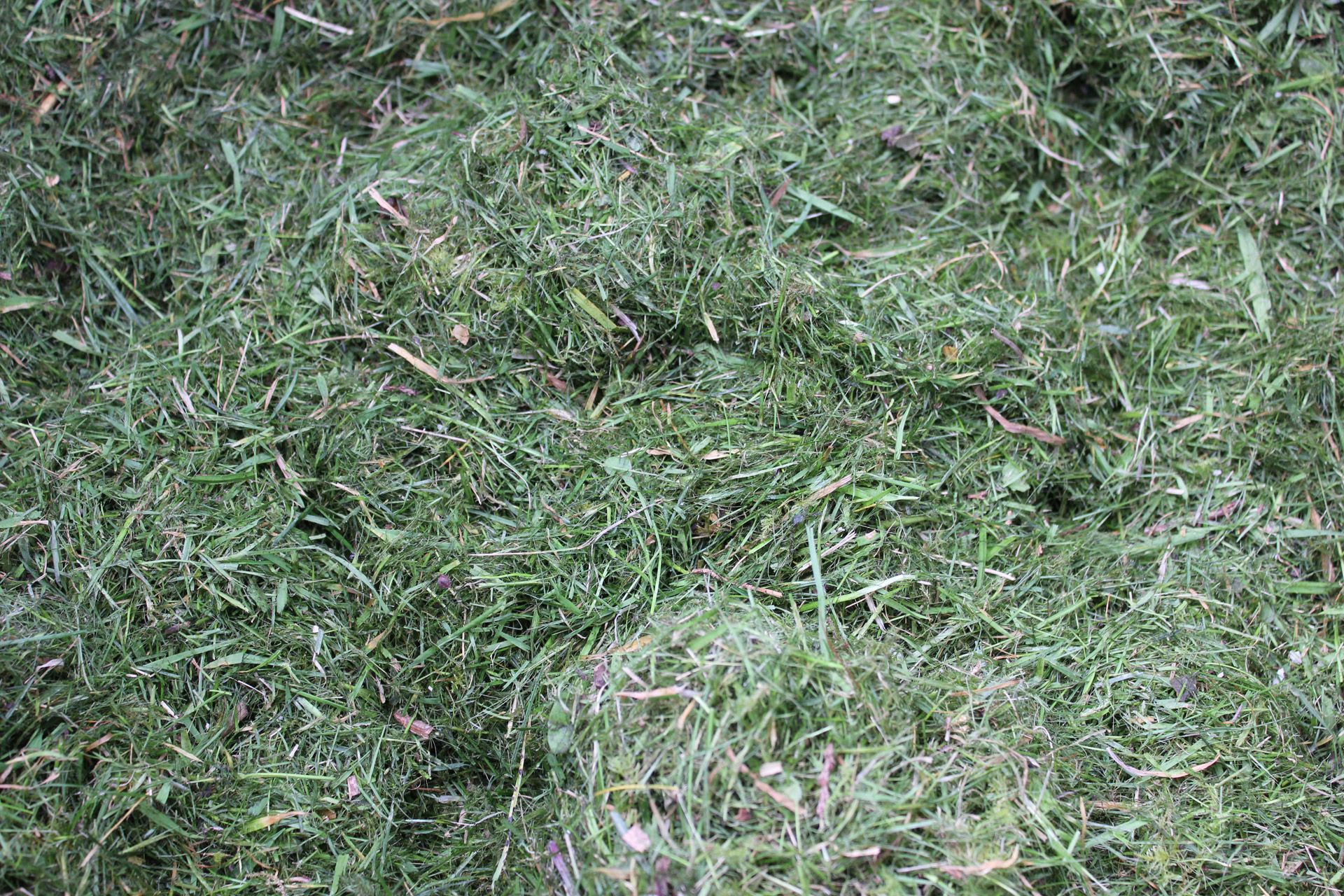

Leaving heavy clumps of clippings on the lawn is a mistake. They act like a blanket, blocking sunlight and air from reaching the grass underneath, which can kill it. They also look untidy and are a waste of nutrients that could be returned to the soil.
- The Fix: For shorter cuts, use a mulching mower or mulch kit. It shreds the clippings into fine pieces that fall back into the lawn to decompose and act as a natural fertiliser. For longer grass, use your mower's catcher to bag the clippings and remove them. You can add them to a compost pile or dispose of them properly.
Now you've got the facts. By avoiding these common mistakes and making a few simple changes to how you mow, you'll see a real difference in the health and look of your lawn. A bit of effort now means a better lawn for the long run.