
Understanding BWOF Compliance for Commercial Emergency Power Systems
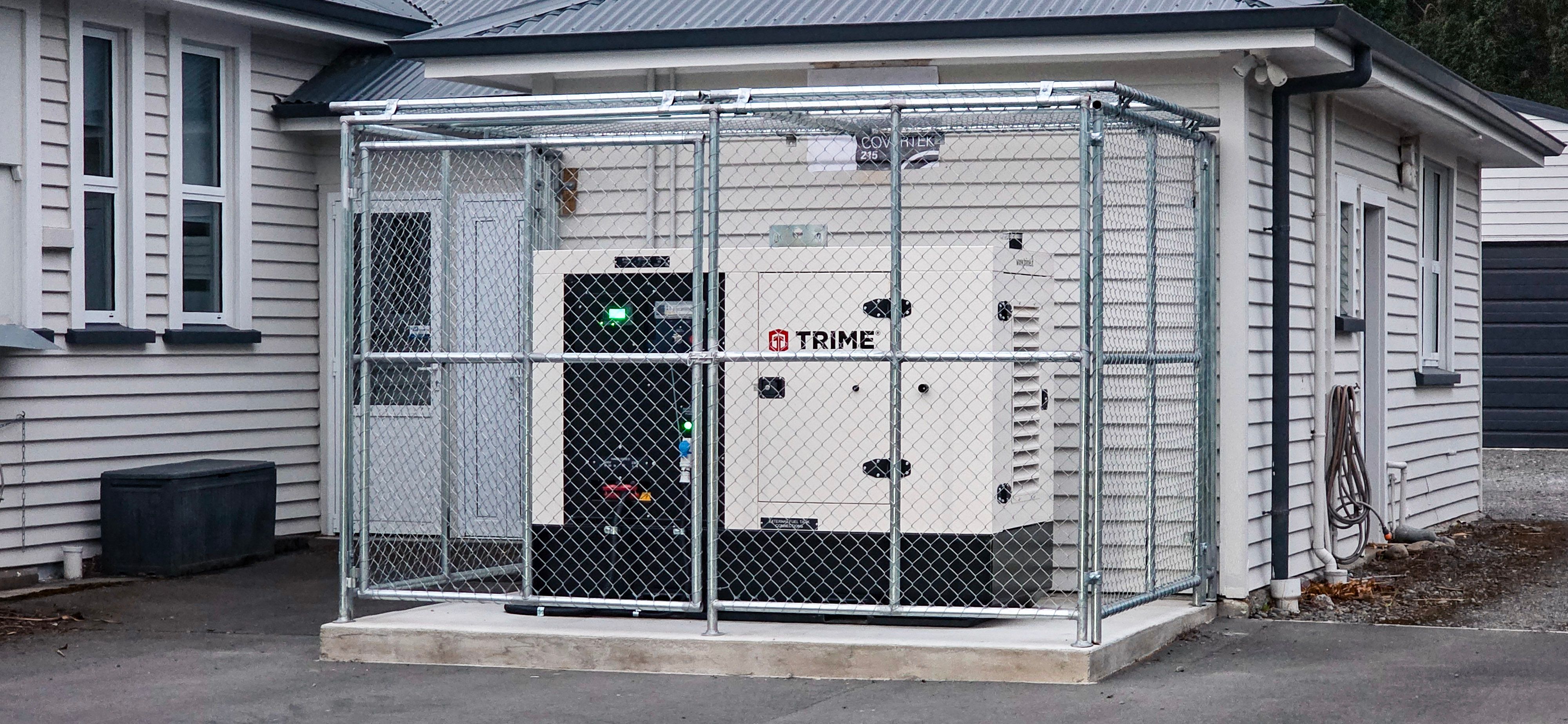

For commercial operations in New Zealand, power is not just a utility; it is the lifeblood of the business. When the grid fails, the immediate consequences are halted production, disabled security systems, offline servers, and compromised safety protocols. To combat this, thousands of commercial buildings rely on commercial standby power to ensure critical systems remain online.
However, installing a generator is only the first step. If your commercial building features an emergency power system designed to support life safety features such as emergency lighting, fire alarms, extraction fans, or elevators, it is not legally a "set and forget" piece of equipment. It is governed by strict New Zealand building codes.
To keep your building legally compliant and your business operational, you must understand Building Warrant of Fitness (BWOF) compliance and the mandatory testing required to maintain it.
This guide strips away the jargon and lays out exactly what facility managers and building owners need to know about BWOF compliance, the importance of load testing, and why partnering with an IQP certified generator service is non-negotiable for business uptime.
What is a BWOF and How Do Emergency Generators Fit In?
A Building Warrant of Fitness (BWOF) is an annual certificate that proves the specified systems within a commercial building have been inspected, maintained, and are performing to the performance standards set out in the building's compliance schedule.
A "specified system" is any system crucial to the safety and health of the building's occupants. According to the New Zealand Building Code, Emergency Power Systems for specified systems fall under Specified System 14/2.
If your commercial building relies on a generator to back up emergency lighting, fire fighting equipment, smoke control systems, or evacuation lifts during a mains failure, that generator is legally classified as a specified system. Therefore, it must be rigorously tested and certified every year to obtain your BWOF.
Failing to maintain these systems does not just put occupants at risk; it exposes the building owner to severe legal penalties and invalidates commercial insurance policies.
The Legal Obligations: Compliance Schedules and the IQP
When a commercial building is constructed or altered, the local council issues a Compliance Schedule. This document lists all the specified systems in the building, the performance standards they must meet, and the exact inspection, maintenance, and reporting procedures required.
You cannot simply have the local handyman or a standard electrician sign off on these systems. New Zealand law dictates that specified systems must be inspected and verified by an Independent Qualified Person (IQP).
What is an IQP?
An IQP is an individual accepted by the local territorial authority (council) as being fully qualified to inspect, maintain, and report on specific specified systems. They are deemed "independent" because they have no financial interest in the building itself.
When it comes to your commercial standby power, you must use an IQP certified generator service. The IQP will conduct the necessary annual inspections, ensure the generator operates precisely as dictated by the Compliance Schedule, and issue a Form 12A. This form is the legal document stating the emergency power system is compliant, which you then submit to the council to obtain your overall BWOF.
The Mechanics of Commercial Standby Power
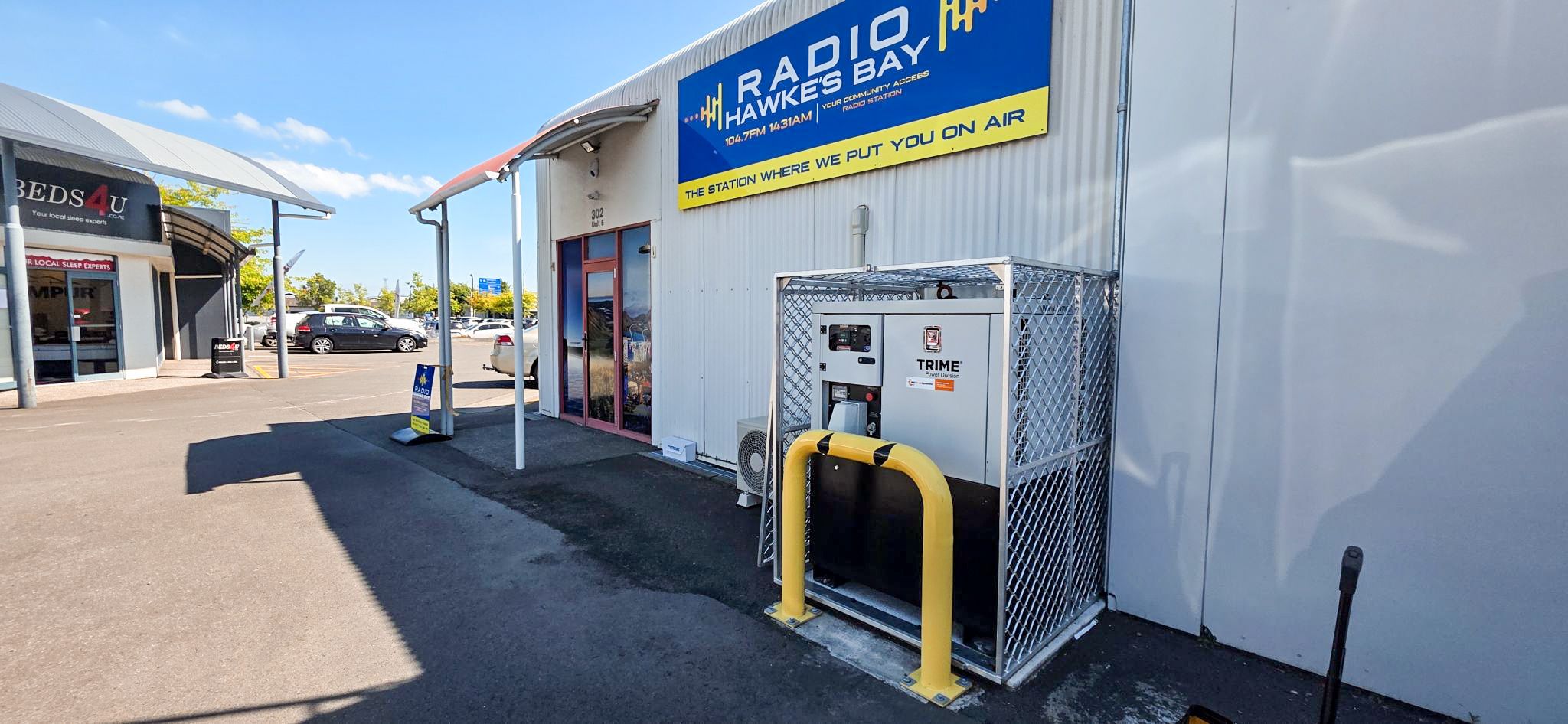

To understand why compliance testing is so rigorous, it helps to understand the hardware involved. Commercial setups are vastly different from residential backup units.
The Three Phase Generator
Most commercial and industrial buildings in New Zealand operate on a three-phase power supply to handle heavy electrical loads. Consequently, backing up these facilities requires a three phase generator.
Unlike single-phase residential units, a three-phase generator delivers power in three alternating currents, providing a continuous, stable flow of electricity necessary to run heavy HVAC systems, server racks, manufacturing machinery, and commercial elevators without voltage drops.
The Commercial Automatic Transfer Switch (ATS)
Just like in residential setups, the ATS is the critical bridge between the grid, the building, and the generator. In a commercial setting, the ATS is heavily engineered to handle massive electrical currents safely. When the grid drops, the ATS signals the generator to start, isolates the building from the dead mains, and switches the heavy three-phase load to the generator—usually in under 15 seconds.
For BWOF compliance, the ATS must also be tested to ensure it successfully triggers the backup power system without hesitation.
What Does an IQP Generator Inspection Actually Involve?

Maintaining BWOF compliance requires more than just kicking the tires once a year. The New Zealand Standard (NZS 61000 or specific standards listed in your compliance schedule) generally requires a structured regime of weekly, monthly, and annual checks.
While building owners or facility managers can often perform the basic visual weekly checks, the monthly and annual testing must be documented and ultimately certified by your IQP.
Monthly Off-Load or Light-Load Testing
Every month, the generator should be started and run for a specified period. This ensures the starter batteries are charged, the engine starts reliably, and the ATS communicates properly with the system. However, running a large diesel generator with little or no electrical load attached can actually cause mechanical damage over time.
The Critical Importance of Annual Load Testing
This is where professional IQP servicing becomes vital. Commercial diesel generators are designed to work hard. If they are constantly run without a heavy electrical load (which often happens during standard monthly tests or minor blackouts), they suffer from a condition called "wet stacking."
Wet stacking occurs when unburnt fuel and carbon build up in the exhaust system because the engine hasn't reached its optimal operating temperature. This drastically reduces the generator's capacity, increases fire risk, and will eventually cause the engine to fail when a real emergency hits.
To combat this and meet compliance, an IQP will perform a scheduled Load Bank Test.
- The technician connects a portable load bank machine to the generator.
- The load bank artificially applies a heavy electrical load to the generator, slowly ramping it up to 100% of the generator's rated capacity.
- This forces the engine to run hot, burning off any accumulated carbon and unburnt fuel (clearing the wet stacking).
- Most importantly, running the generator at full load for several hours proves conclusively that the cooling system, alternator, and engine can actually handle the building's maximum power demands without overheating or shutting down.
If a commercial generator cannot pass a load bank test, it cannot be certified, and the building will fail its BWOF.
Why Business Uptime Relies on More Than Just a Generator
While BWOF compliance is a strict legal requirement, the secondary benefit of rigorous IQP maintenance is guaranteed business uptime.
A commercial generator that has sat idle for 11 months, untested and unserviced, is a massive liability. Fuel degrades over time, starting batteries fail, and rubber hoses perish. If the grid goes down and the backup generator fails to start, the financial losses pile up by the minute:
- Staff cannot work, yet payroll continues.
- Manufacturing lines stop, delaying critical orders.
- Cold storage facilities lose temperature, destroying inventory.
- IT infrastructure drops, risking data loss and client communication.
Investing in scheduled, professional generator maintenance is a fraction of the cost of a single day of unplanned operational downtime. By adhering to the BWOF testing schedule, you are actively protecting your bottom line.
The Risks of Non-Compliance
Ignoring BWOF requirements or attempting to bypass the IQP process carries severe consequences for building owners and commercial tenants:
- Local councils can issue significant fines for failing to display a current BWOF or for submitting fraudulent compliance documents.
- If a council determines a building is unsafe due to non-compliant life safety systems, they can issue a Notice to Fix and potentially close the building until it is resolved.
- In the event of a fire or disaster, if it is discovered that the emergency power systems failed because the BWOF was lapsed, commercial insurers are highly likely to reject any claims.
- If an emergency occurs and occupants are injured because specified systems (like emergency lighting or smoke extraction) failed due to a lack of generator maintenance, the building owner can face prosecution.
Compliance is not just red tape; it is a fundamental framework for commercial safety and risk mitigation.
Partner with OMC Power Equipment for Commercial Compliance
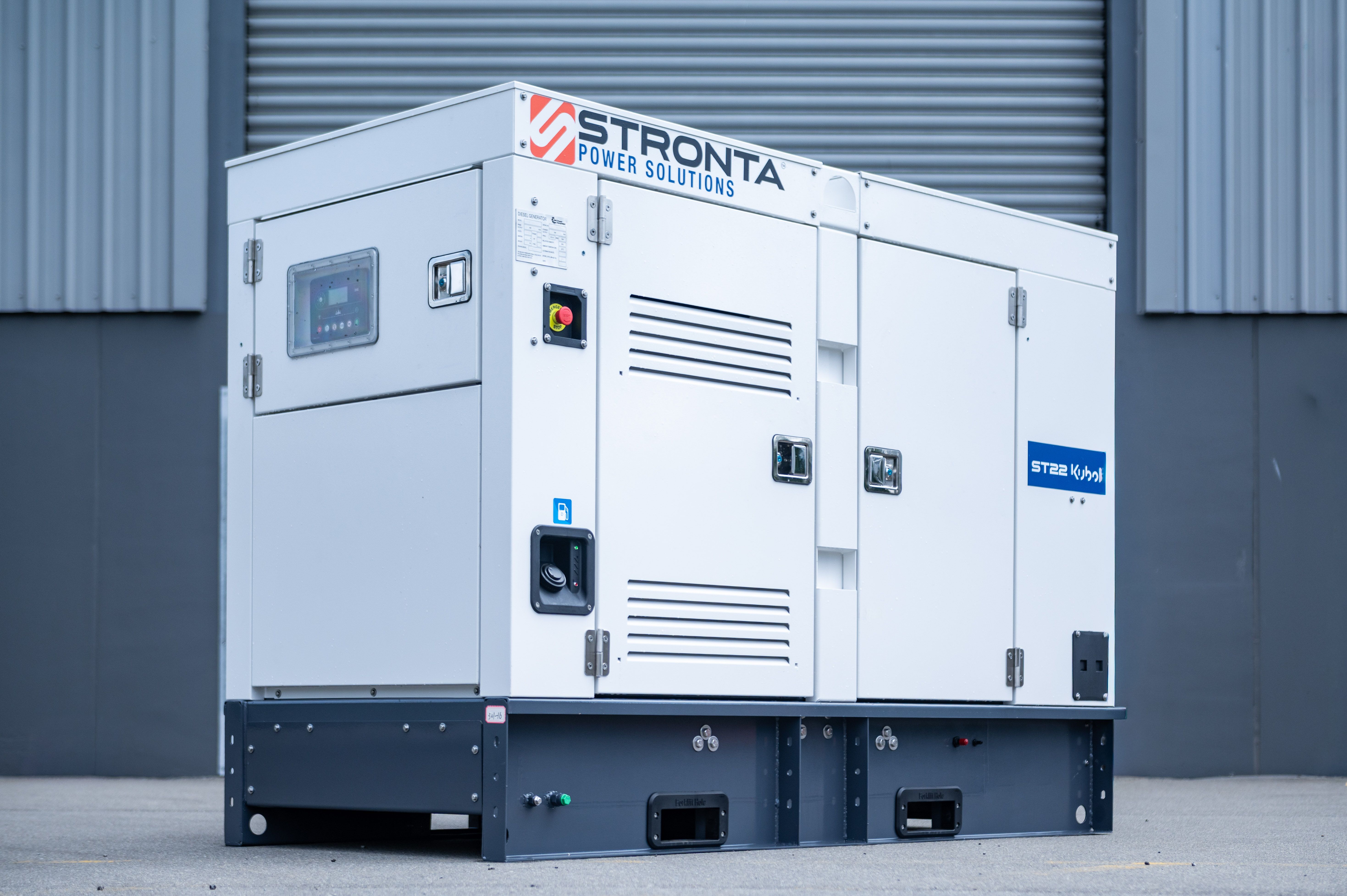

Managing commercial property is complex enough without having to worry about the reliability of your standby power systems. At OMC Power Equipment, we take the guesswork out of generator compliance.
Our commercial service division provides end-to-end management of your emergency power systems, ensuring you meet your legal obligations while maximising your business uptime.
The OMC Advantage:
- IQP Certified Technicians: Our team is officially registered to inspect, test, and issue Form 12A certificates for emergency power systems in the region.
- Comprehensive Load Testing: We utilise professional load banking equipment to thoroughly stress-test your three-phase generators, preventing wet stacking and proving system capacity.
- Scheduled Maintenance Contracts: We manage the calendar for you. We track your compliance schedule and automatically dispatch technicians for monthly and annual testing, providing full documentation for your council audits.
- Expert Repairs and Upgrades: If a unit fails testing, our technicians have the expertise and access to genuine parts to repair it quickly, minimising your non-compliant window.
Don't wait for a council audit or a catastrophic grid failure to find out your backup power isn't up to standard. Ensure your facility is legally compliant and commercially resilient.
Contact the commercial team at OMC Power Equipment today to discuss our IQP certified generator servicing and secure your business's uptime.