
Surviving NZ Storm Seasons: The Benefits of Automatic Standby Generators
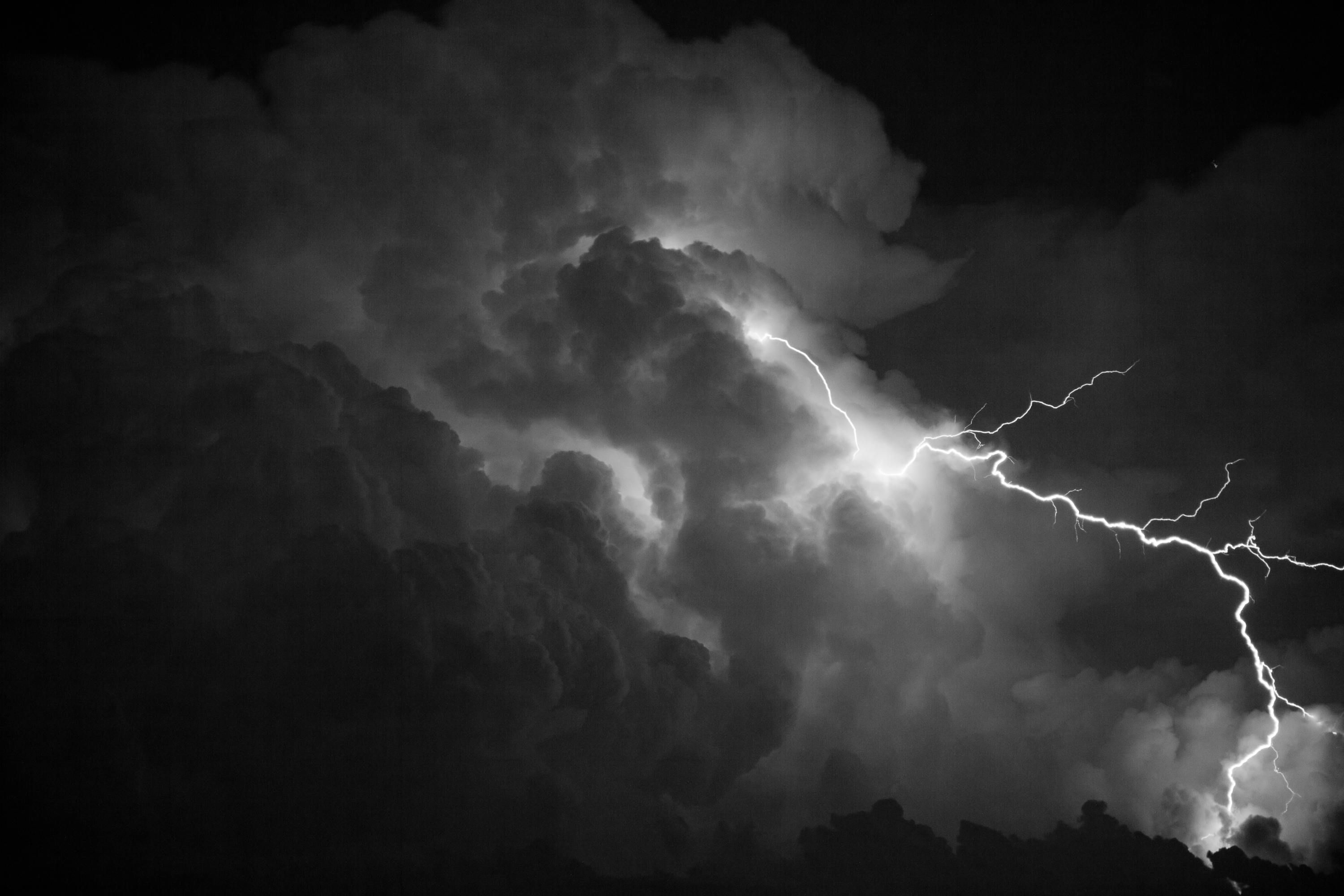

New Zealand weather is famously unforgiving. From aggressive winter southerlies tearing up the South Island to tropical cyclones battering the North, severe weather systems are a fact of life. When these weather bombs hit, the national grid often takes the brunt of the damage, leaving hundreds, sometimes thousands, of homes in the dark.
For many households, a home blackout is an inconvenience. For others, especially those on rural lifestyle blocks or operating home businesses, it is a critical failure. Loss of power means no water from the bore pump, thousands of dollars in spoiled freezer goods, compromised home security, and a freezing house.
While portable generators have long been the traditional backup plan, relying on them during a severe storm requires dragging heavy equipment into the wind and rain, fumbling with fuel cans, and running extension cords through open windows.
There is a smarter, safer, and entirely hands-off solution: the automatic standby generator.
This guide breaks down exactly how residential standby power works, the mechanics of the Automatic Transfer Switch (ATS), and why investing in a permanent backup generator is the ultimate safeguard for your property.
The Reality of Home Blackouts in New Zealand
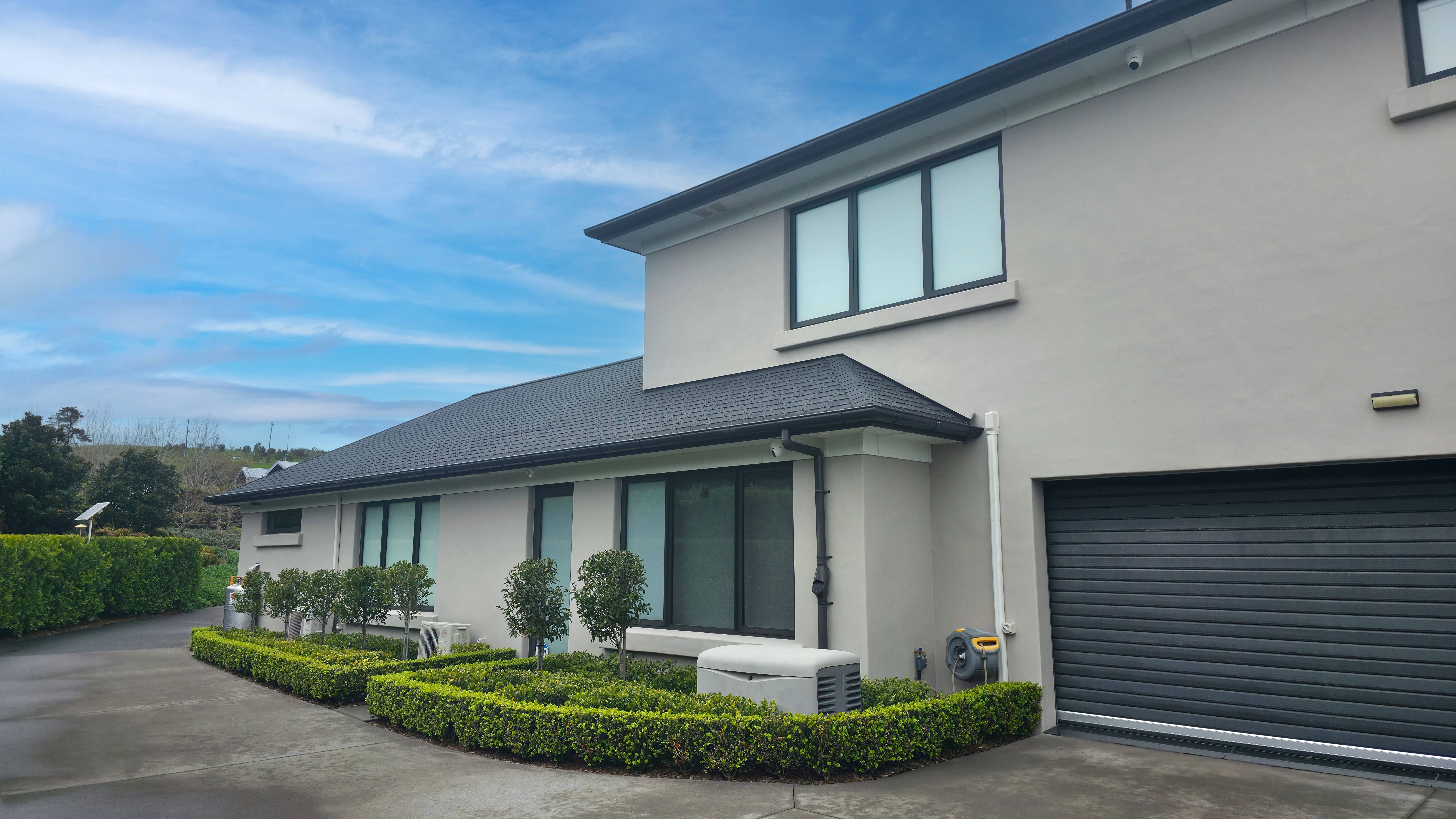

Power cuts in New Zealand are not just a winter phenomenon, though that is when they bite the hardest. High winds, fallen trees, flooding, and routine grid maintenance can disrupt power supply year-round.
When the grid goes down, the impact on a modern home is immediate and compounding:
- Water Supply Fails: If your property relies on a well or rainwater tank, a power cut means the water pump stops. No toilets, no showers, no drinking water.
- Heating and Cooling Dies: Heat pumps and central HVAC systems shut down, leaving the house vulnerable to extreme temperature drops during winter storms.
- Food Spoilage: A chest freezer full of homekill or a fridge stocked for the family will only hold its temperature for a few hours. Prolonged blackouts lead to significant financial loss through spoiled food.
- Security Systems Drop Offline: While some alarms have small battery backups, prolonged outages will eventually take your home security cameras, automated gates, and alarm systems offline.
- Medical and Work Interruptions: For those relying on medical equipment (like CPAP machines, oxygen concentrators, or even medicine refrigerators) or running a business from a home office, uninterrupted power is a non-negotiable requirement.
Relying on the lines company to restore power quickly is a gamble. In rural areas, it can take days for crews to clear access roads and repair downed lines.
What is an Automatic Standby Generator?
An automatic standby generator is a permanently installed power system that acts as a failsafe for your home. Unlike a portable generator, which you must manually move, fuel, and start, a standby unit sits outside your house, much like a large air conditioning unit.
It is wired directly into your home’s electrical system and connected to a continuous fuel source, typically your property's existing LPG bottles or a dedicated diesel tank.
The defining feature of a standby generator is that it requires zero human intervention. You do not need to be home to start it. You do not need to go outside in a storm. The system monitors the grid 24/7 and automatically restores power to your house within seconds of an outage.
How does an Automatic Transfer Switch (ATS) work?
The true value of residential standby power lies in a device called the Automatic Transfer Switch, or ATS. The ATS is the brain of the operation, sitting between the national grid, your home’s switchboard, and the generator.
Here is exactly what happens when a storm knocks out your power:
- Continuous Monitoring: The ATS constantly monitors your main power supply.
- Detecting the Drop: When the power grid fails, the ATS instantly detects the drop in voltage. It waits a few seconds to ensure it isn't just a momentary flicker.
- Engine Start: Once a sustained outage is confirmed, the ATS sends a signal to the standby generator to start its engine.
- Transferring the Load: Within 10 to 45 seconds, the generator reaches its optimal operating speed. The ATS then safely disconnects your home from the dead utility lines and connects it to the generator's power feed.
- Power Restored: Your lights come back on, the fridge starts humming, and the heat pump kicks in.
- Return to Grid: The ATS continues to monitor the utility lines. Once the lines company restores the main power, the ATS automatically switches your home back to the grid, lets the generator run through a brief cool-down cycle, and then shuts it down.
The process is seamless. If a blackout hits at 2:00 AM, you will experience a brief pause, hear the distant hum of the generator starting, and go right back to sleep in a warm, secure house.
Key Benefits of Residential Standby Power
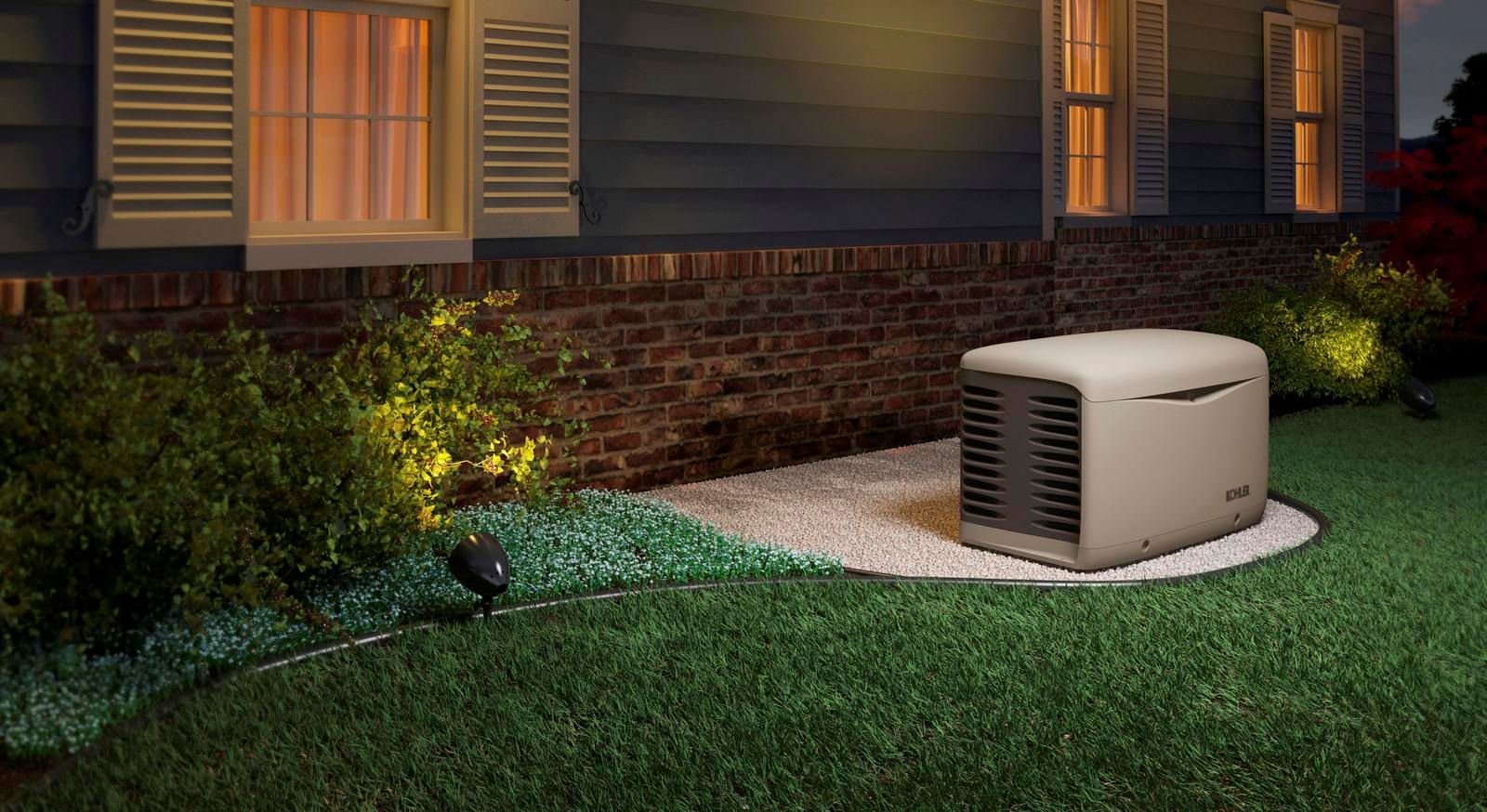

Investing in an automatic backup generator is an investment in property resilience. Here is why more New Zealanders are making the switch from portable units to permanent installations.
1. Hands-Free Operation and Safety
Safety is the primary advantage. During a severe weather event, the last thing you want to do is go outside in the dark, wrestle with a heavy portable generator, and pour highly flammable petrol while it is raining. Standby generators eliminate this risk entirely. Furthermore, because they are professionally installed and wired by a registered electrician, there is no risk of carbon monoxide poisoning from improperly placed units or fire hazards from overloaded extension cords.
2. Reliable Home Security
Modern homes rely heavily on electricity for security. When the power drops, automated gates get stuck, security cameras stop recording, and perimeter lighting fails. A standby generator ensures your property remains secure, actively deterring opportunistic theft during area-wide blackouts.
3. Protecting Property Infrastructure
For properties with basements or lower-lying areas, sump pumps are critical to preventing flood damage during heavy rain. If the power fails, the sump pump stops, and the basement floods. An automatic backup generator ensures critical infrastructure like sump pumps, septic tank aerators, and water bore pumps never miss a beat.
4. Seamless Power Quality for Sensitive Electronics
Modern homes are filled with microprocessors like smart TVs and computers to the control boards in modern fridges and heat pumps. High-quality standby generators (like those powered by Kohler) produce clean, stable electricity with low Total Harmonic Distortion (THD). This "clean power" is identical to, or sometimes better than, what you get from the grid, ensuring your sensitive electronics are not damaged by power surges or fluctuating voltage.
5. Increased Property Value
A permanently installed standby power system is a fixed asset. Much like solar panels or a high-end HVAC system, a standby generator adds tangible value to your property. It is a major selling point for prospective buyers, particularly for rural lifestyle blocks where grid reliability is known to be an issue.
Sizing Your Automatic Backup Generator
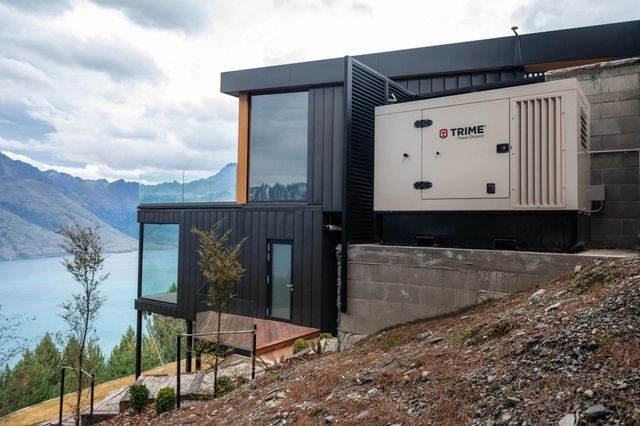

One of the most critical steps in installing an automatic backup generator is determining the correct size. Generators are measured in kilovolt-amperes (kVA) or watts. If you buy a unit that is too small, it will overload and shut down. If you buy one that is too large, you are spending money on capacity and fuel you do not need.
When sizing a residential standby system, you have two primary options:
Option A: Essential Circuits Coverage
You do not necessarily need to power the entire house during a blackout. Many homeowners choose to back up only their "essential circuits." The ATS is wired to a dedicated sub-panel that isolates specific appliances.
- Typical Essential Loads: Fridge, freezer, water pump, a few lighting circuits, the internet router, and one heat pump.
- Sizing Requirement: Usually, an 8kVA to 14kVA generator is sufficient for this setup, making it a highly cost-effective way to secure your home.
Option B: Whole-Home Backup
If you want life to continue exactly as normal as running the oven, multiple heat pumps, the hot water cylinder, and the washing machine simultaneously, you would need a whole-home backup.
- Typical Loads: Everything on the property.
- Sizing Requirement: This requires a larger unit, typically between 15kVA and 30kVA, depending on the square meterage of the home and the amp rating of your main electrical panel.
Note: Determining the correct kVA requires calculating the starting wattage (surge power) of heavy appliances, not just their running wattage. A heat pump, for example, requires significantly more power to start its compressor than it does to keep running. The team at OMC Power Equipment provides accurate site assessments to ensure your unit is sized perfectly for your specific load requirements.
Top Generator Brands for New Zealand Homes
When it comes to permanent home infrastructure, reliability is the only metric that matters. Buying cheap, parallel-imported generators online often leads to failure when you need the unit most, alongside a total lack of local parts or servicing support.
At OMC Power Equipment, we stock and service proven, industry-leading brands designed to handle New Zealand conditions.
Kohler Home Backup Generators
Kohler is the global gold standard for residential standby power. Their units are renowned for heavy-duty commercial-grade engines adapted for home use.
- Fast Response: Kohler units can restore power in as little as 10 seconds.
- Premium Power Quality: Advanced voltage and frequency regulation protects your sensitive electronics.
- Corrosion Resistance: Their enclosures are built to withstand harsh, coastal NZ weather without rusting out.
Stronta Power Solutions
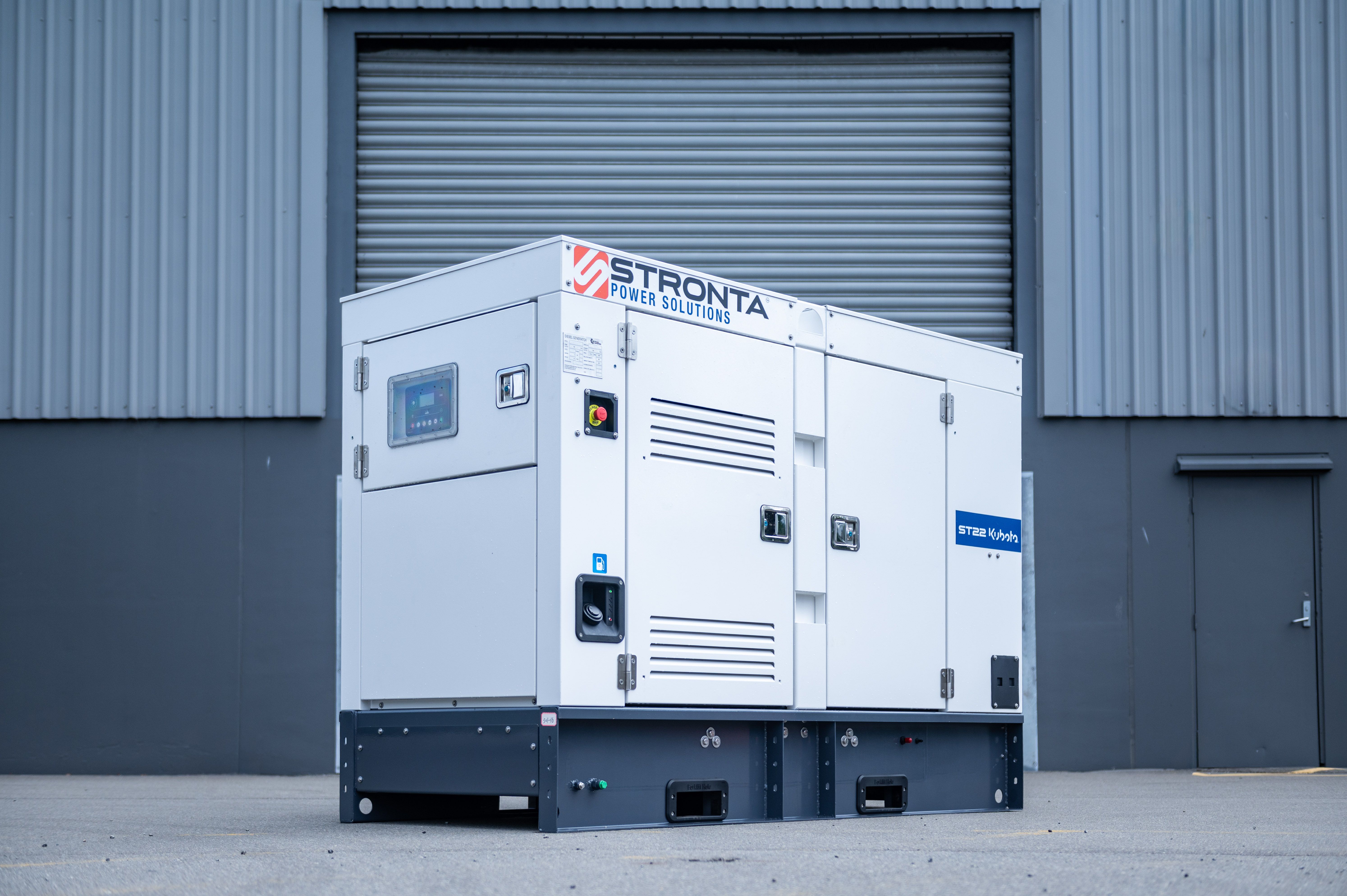

OMC has specifically designed our Stronta Standby Range to be purpose built for standby applications in New Zealand. featuring standby specific features as standard such as super silent canopies, block heaters and mains battery chargers. We utilise genuine engines, European componentry, and high-end canopy designs.
Fuel Choices: LPG vs. Diesel
Standby generators generally run on one of two fuel types: LPG or Diesel. The right choice depends on your property layout and existing utilities.
LPG (Liquid Petroleum Gas)
LPG is the most common choice for residential standby generators in New Zealand.
- Advantages: LPG burns very cleanly, resulting in lower emissions and less engine maintenance. It does not degrade over time, meaning it can sit in the cylinders for years and still fire up instantly. Many NZ homes already have large 45kg LPG cylinders for hot water or cooking, making it easy to plumb the generator directly into the existing supply.
Diesel
Diesel generators are typically used for larger lifestyle blocks, farms, or homes requiring larger power output (20kVA+). Diesel options are also fantastic if you expect longer run times, or more frequent runs per year. Diesel is typically also more cost effective than an LPG powered generator.
- Advantages: Diesel engines are incredibly robust, fuel-efficient, and have a longer lifespan under heavy, continuous use. We also find Diesel generators are typically 5-10% quieter than LPG generators.
- Considerations: Diesel fuel can degrade over time and requires fuel polishing or additives if left sitting for long periods. Diesel generators typically take up more space, they have a larger footprint as they carry their fuel onboard, rather than external bottles such as LPG.
Installation, Compliance, and Maintenance: The OMC Advantage
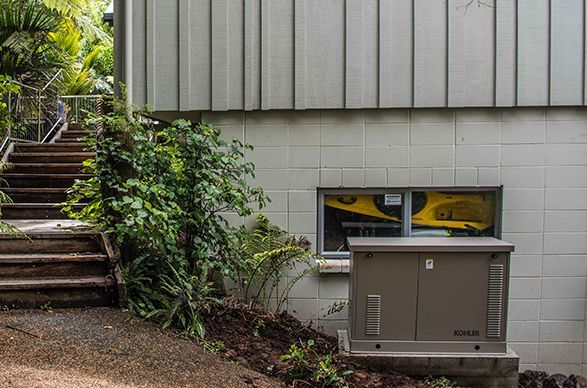

Installing an automatic standby generator is not a DIY weekend project. It requires careful planning, adherence to local council noise regulations, and strict compliance with New Zealand electrical standards (AS/NZS 3000).
Professional Installation
The physical placement of the generator matters. It must be situated a safe distance from operable windows and doors to prevent exhaust ingress, but close enough to the gas meter and switchboard to minimize installation costs. A registered electrician must install the ATS and issue a Certificate of Compliance (CoC) to ensure your home insurance remains valid.
Ongoing Maintenance
Like a car, a standby generator requires routine maintenance to ensure it performs when called upon. Even if there are no power cuts, an automatic standby generator will run a self-test (an "exercise cycle") for about 10-15 minutes every week to keep the engine lubricated and run diagnostics.
To guarantee reliability, services should be carried out annually or after a set number of running hours. OMC carries out servicing New Zealand wide, regardless of where your generator is located. Our technicians ensure your equipment is serviced using genuine parts, load-tested, and ready for the next winter storm.
Don't Wait for the Dark
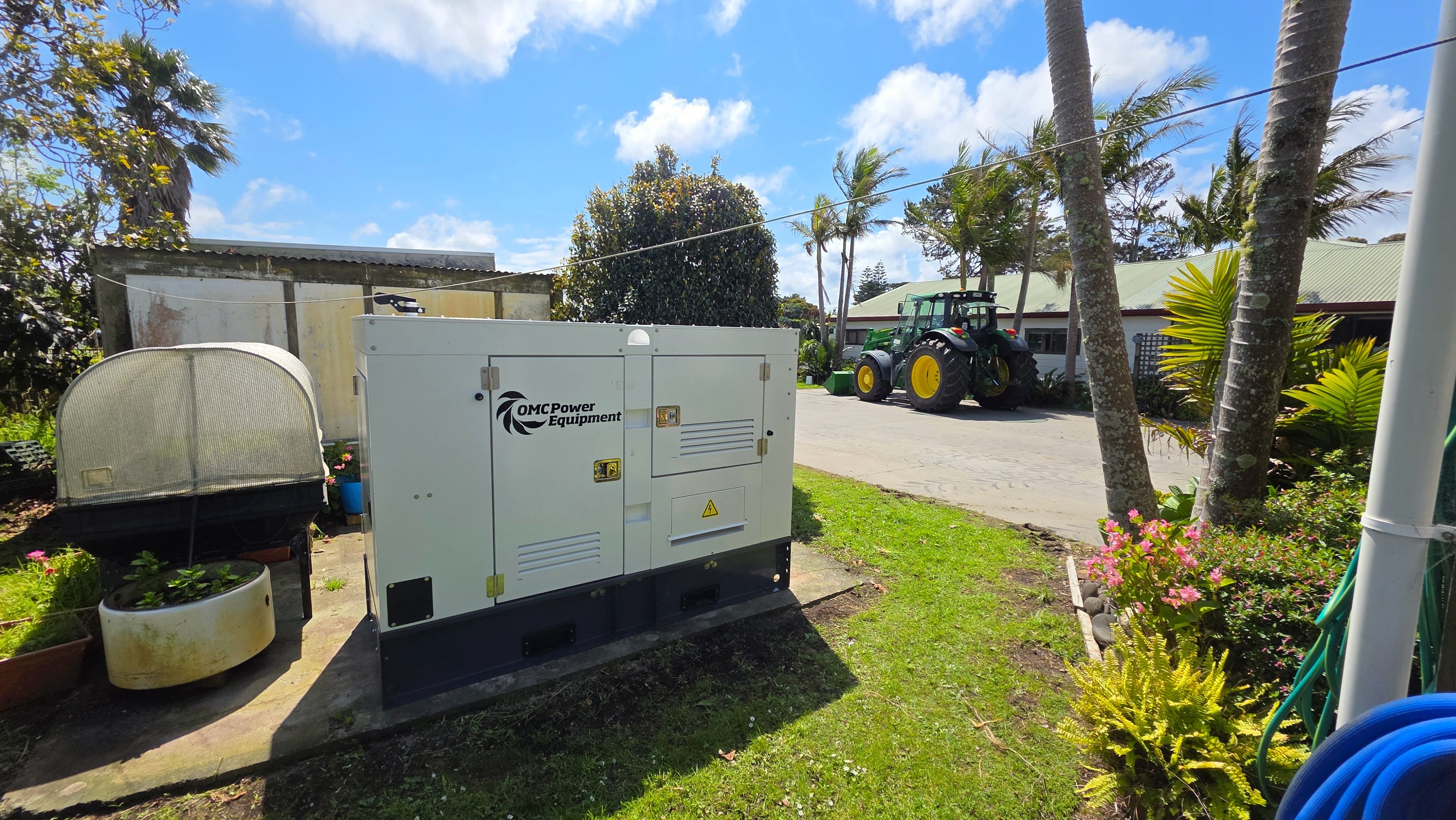

The worst time to figure out your backup power strategy is in the middle of a blackout. As weather patterns become more unpredictable, relying solely on the grid is a risk that homeowners no longer need to take.
An automatic standby generator provides absolute peace of mind. It protects your family, secures your property, and ensures that no matter what the New Zealand weather is doing outside, the lights stay on inside.
Secure your home’s power supply before the next storm season hits. Contact the experts at OMC Power Equipment today to discuss the right automatic standby generator for your property, and let us handle the sizing, supply, and servicing.